Liquid-crystal elements and spatial light modulators for light management | 1. Moreno (UMH, ES)

  • Use -scale LCD do attenuate phase of light, creating dynamic optical devices
  • Allows creation of complex phase-shift and refractional optics

Structuring light with metasurfaces | A. Vogliardi (DFA, UNIPD)

  • Similar approach, but using silicon-based effects with sub-wavelength components

Light as a Molecular Force Sensor: How Optical Tweezers Reveal Biomolecular Binding | A. Zaltron (DFA, UNIPD)

  • Unwrapping molecules using optical tweezers + force measurements
  • Allows a force-distance-time diagram to investigate unrwrappping properties; helps to investigate structure and effects of medicine on RNA molecules

Distributed Optical Fiber Sensing: Imaging the World Through Light Scattering | L. Schenato (DEI, UNIPD)

  • Stretch measuring through rayleigh scatttering in fibres,
  • Twist measuring through phase shifts enables measurements of fiber stresses in e.g. landslides, orientation in robots

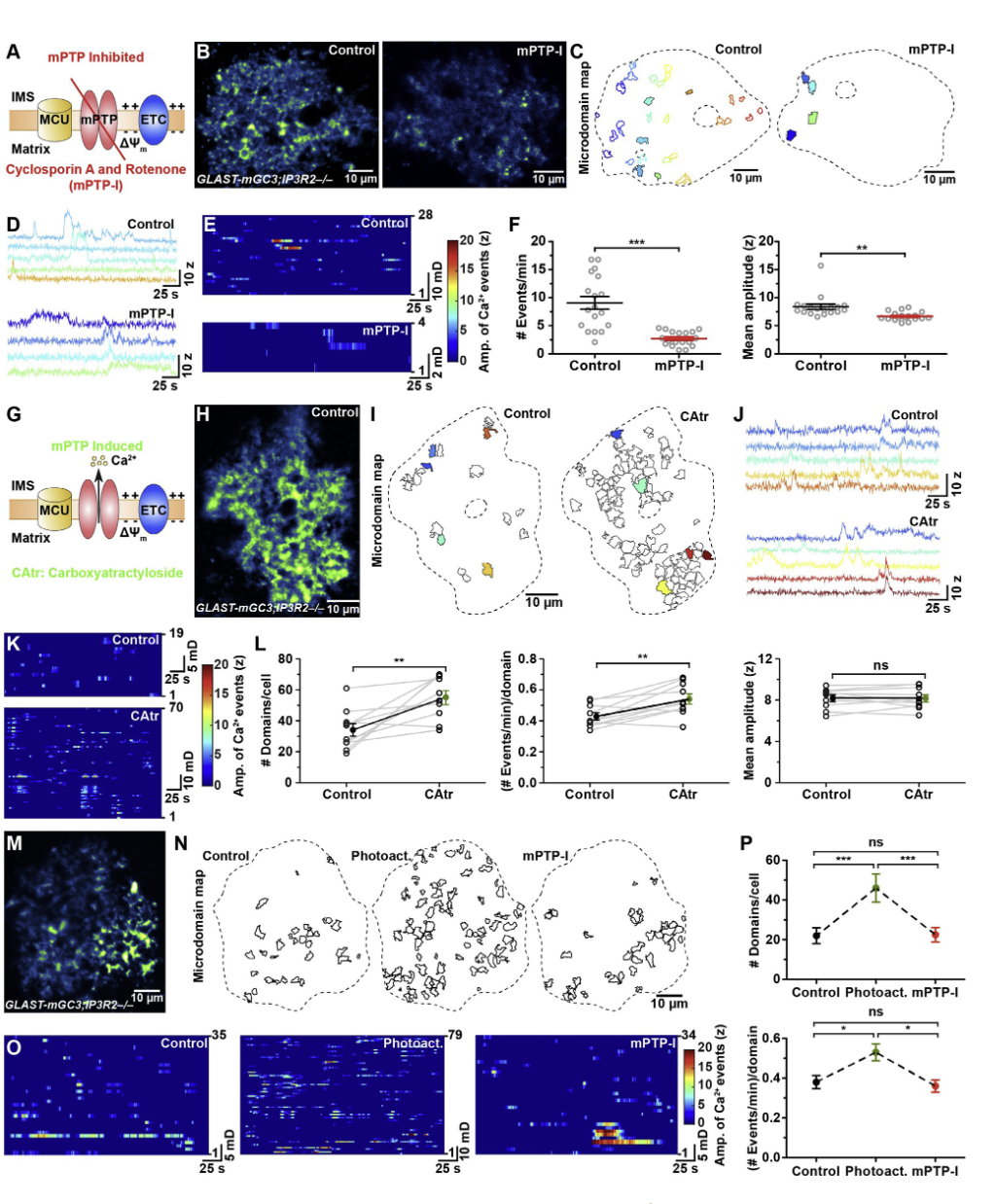
Dissecting the mechanisms regulating astrocyte function at the nanoscale with computational approaches | A. Denizot (INRIA, FR)

img

Source

  • Very complex time-spatial data, slow processes of diffusion/activities, many (millions) of complex connections;
  • Potential for time-spatial viz?, Also computational models for @Peter with In silico models
  • More information: A. Denizot’s page

Brain diseases: a network story? | L. Pini (PNC, UNIPD)

  • Looking at tumors depending on connectivity region
  • Take connectivity into account for neurodegenerative diseases (GIBBER?)

How recurrent connectivity and short-term sculpt the perturbome of neuronal cultures in vitro adaptation | M. Allegra (DFA, UNIPD)

  • Neuronal structures not able to be described standard spatial -omics approaches
  • Their approach: coloring through in-vitro dishes, semi-automatic annotation, ML approach for automatic annotation (?)
  • Synaptic orga: quantification through visual systems

PhD Flash talks

Transcranial optical localization techniques for cortex-wide imaging of microcirculation and neurovascular coupling | D. Razansky (ETH, CH)

  • In-vivo microscopy of blood vessels
  • 200Hz flourescent imaging within subjects (e.g. full mouse brain)!
  • Website
  • Opto-Acoustic imaging: stimulate using ultrasound, sensing using lasers (similar to classic ultrasound)
  • Also possible: volumentric capture (?)
  • In combination with fMRI

Illuminating the Developing Brain: What We Have Learned about the Infant Brain using NIRS | J. Gervain (DPSS, UNIPD)

  • Assoc.: BabyLab; also a few PhD students research within that team — interesting infant behavioral/development studies
  • Take advantage of the fact that the skull is very thin - measure (relative) concentration through light intensity directly into brain
  • But: ok resolution, ok resolution — however: good acceptance, since it is relatively non-invasive/silent/mobile/… also athletes/pilots, coma, …
  • Study: Adults vs. Infants; compare cries vs. speech in their response — adults respond more to speech, infants to cries! — indicator that infants might perceive these cries as early language
  • Current work: more cross-language exploration

Optical probing of biomolecular alterations towards label-free detection of early stage brain disease | C. Guidolin (DFA, UNIPD)

  • In vivo probing hard, approaches: focusing or fiber-based (using fluorescent methods)
  • Do spectroscopy in mice, application: fiber-based search
  • Application problem (Q): biomarker of disease, unknown! (clinical problem)

From light to circuits: using Danio rerio to dissect neural circuits | M. Albanesi (DSB)

Overview

Overview